Welcoming a baby into the world is an exciting and life-changing event, but it also brings about a whirlwind of new responsibilities. As a new parent, the overwhelming task of preparing for your little one’s arrival can leave you wondering what to buy, what to prioritize, and what will truly be essential. With so many options out there, it’s important to focus on the basics—the must-have baby essentials that will make life easier for both you and your baby in those first few months.
In this blog, we’ll go over the key items that every new parent should consider when preparing for their baby’s arrival. From feeding supplies to safety gear, these essentials will set you up for success as you embark on this exciting journey of parenthood.
A good night’s sleep is vital for both baby and parents, and it all starts with a safe, comfortable place to sleep. A crib or bassinet is an essential item for any nursery. When choosing a crib, make sure it meets safety standards—check for sturdy construction, slats that are no more than 2 3/8 inches apart, and a firm mattress that fits snugly. For newborns, a bassinet is a great option for the first few months as it allows you to have your baby close by during nighttime feedings.
Remember, you’ll also need a waterproof mattress protector and fitted crib sheets. Keep the crib free from pillows, blankets, and stuffed animals to prevent suffocation risks.
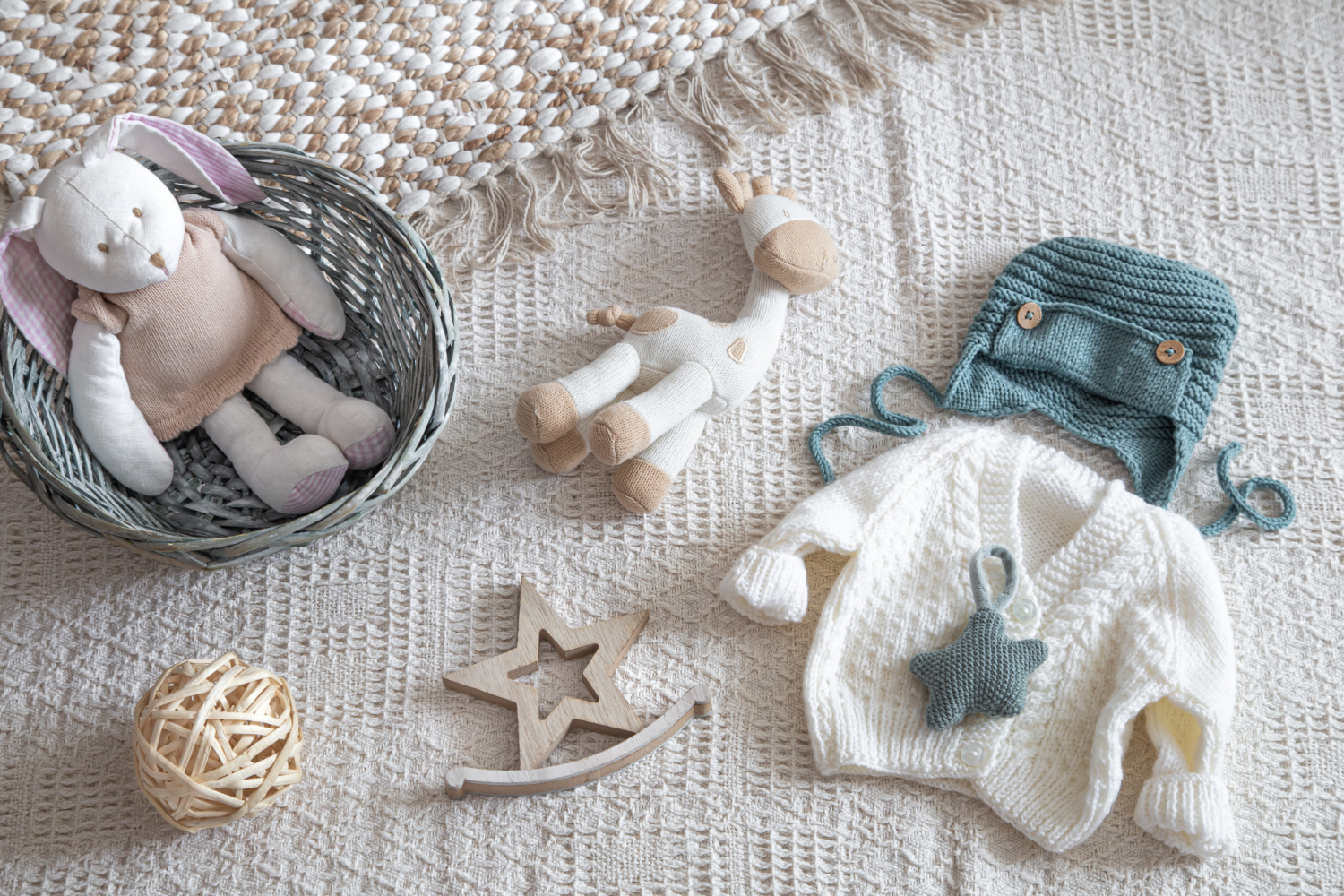
Your newborn will need plenty of soft, comfortable clothing to wear. Opt for clothing made from soft cotton, as it is gentle on your baby’s sensitive skin. Some key items to include in your baby’s wardrobe are:
In the early months, you won’t need a lot of clothing—about 6-10 onesies, a few sleepers, and hats should be enough to get you through the first few weeks.
Diapers are one of the most important essentials for your baby. Whether you choose cloth diapers or disposable ones, you’ll need a reliable stockpile for those early days. Most parents find it helpful to have both daytime and nighttime diapers, as nighttime diapers are designed to absorb more for longer stretches of sleep.
In addition to diapers, you’ll need plenty of baby wipes for diaper changes, cleanups, and general hygiene. Choose gentle, fragrance-free wipes to avoid irritating your baby’s delicate skin. Keep a few packs in your diaper bag, in your nursery, and in your car for convenience.
A stroller is essential for getting out and about with your baby, whether it’s for a walk around the neighborhood or a trip to the store. Look for a stroller that suits your lifestyle—whether you’re after a lightweight model, a jogging stroller, or a travel system that connects to your infant car seat.
A stroller that’s easy to fold, lightweight, and durable is a good investment. Many strollers also come with storage baskets underneath, so you can easily bring along baby essentials like diapers, wipes, and snacks for yourself.
An infant car seat is a non-negotiable item, as it’s required for bringing your baby home from the hospital. Look for a car seat that is easy to install and fits your car. A rear-facing car seat is recommended for babies, as it provides the safest position during travel. Many parents opt for an infant car seat that can be attached to a stroller, making trips to and from the car much easier.
Make sure to check for safety ratings and install the seat properly before your baby’s arrival. Most hospitals will also check that the car seat is correctly installed before you leave with your baby.
Whether you choose to breastfeed or formula-feed, there are a few essential items you’ll need to make feeding time smoother:
You might also want to invest in a baby food maker or blender when your baby is ready for solids, around the 6-month mark.
Swaddling can help your baby feel secure and calm, especially in the first few months. Swaddle blankets are soft, breathable, and ideal for wrapping your baby snugly for sleep. Many parents prefer using muslin swaddle blankets, as they’re lightweight, breathable, and available in many cute designs.
Swaddling can also help reduce the startle reflex, which can wake up your baby during naps or at night. Be sure to learn the proper technique for swaddling to ensure your baby is comfortable and safe.
Bath time can be a bonding experience for parents and babies, but it’s essential to have a safe and comfortable place for your baby to bathe. A baby bathtub is designed with soft sides and a non-slip surface to keep your baby secure during bath time. Some models also come with a built-in sling for newborns to keep them safe and comfortable as they get used to the water.
You’ll also need mild baby soap, a soft washcloth, and a hooded towel for after the bath. Avoid using harsh soaps or shampoos, as your baby’s skin is sensitive.
A baby monitor can give you peace of mind by allowing you to keep an ear (or eye) on your baby while they’re in their crib or room. There are several options available, from basic audio monitors to more advanced video monitors with Wi-Fi connectivity, so you can check on your baby remotely from your phone or tablet.
Having a baby monitor helps you stay aware of your baby’s needs, especially during naps or nighttime sleep. Some monitors also have features like temperature sensors or two-way communication, allowing you to soothe your baby remotely if needed.
Keeping your baby safe and healthy is a priority for every parent, and a few key health and safety items should be included in your baby essentials list:
Final Thoughts
As a new parent, it’s natural to want to have everything ready for your baby’s arrival, but the essentials listed above will help you provide your little one with a safe, comfortable, and nurturing environment. Remember, every baby is unique, so your list of must-have baby essentials may vary based on your specific needs and lifestyle. However, these items will ensure that you’re well-equipped for the early stages of parenthood and ready to enjoy the beautiful experience of raising your child.
From creating a cozy nursery to ensuring your baby’s health and safety, these essentials will make your journey as a new parent a little easier, allowing you to focus on what matters most— loving and bonding with your new baby.